Mobile Casino Designs and Their Integration with Swift Payment Protocols Across Licensed British Platforms
Olivia Peters · Oct 28, 2026
Mobile Casino Designs and Their Integration with Swift Payment Protocols Across Licensed British Platforms
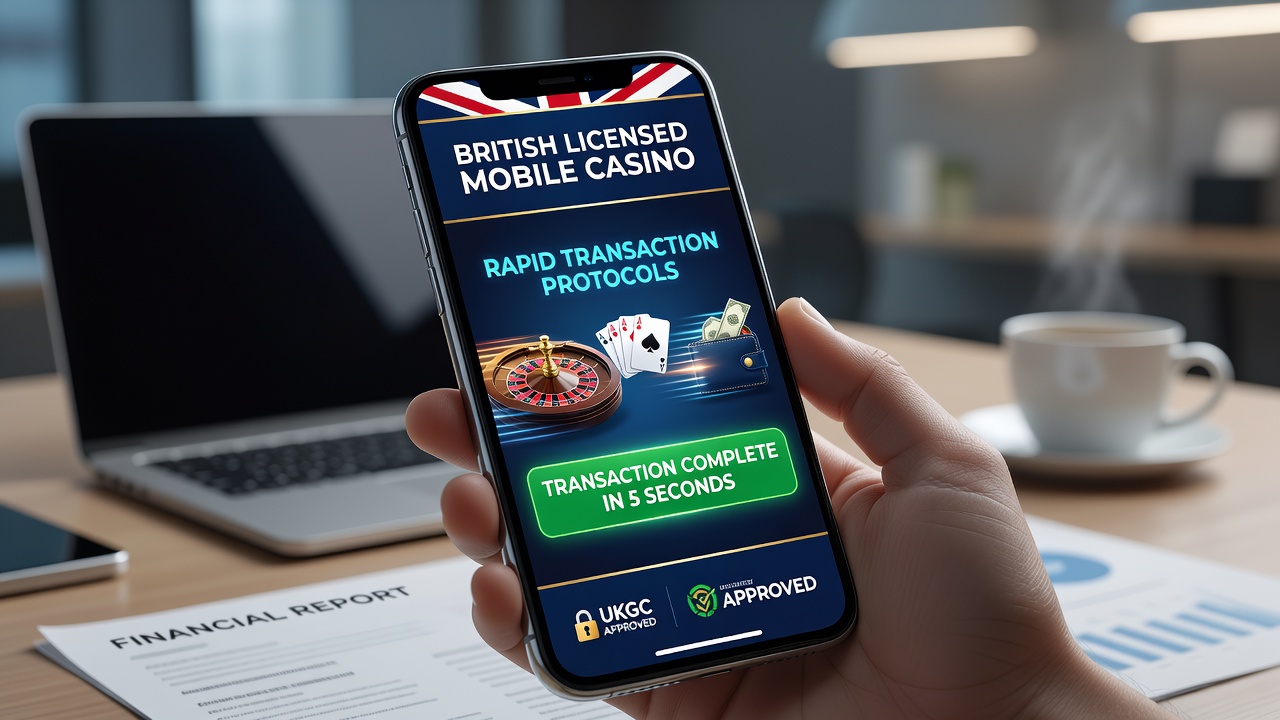
Observers note that mobile casino interfaces at licensed British sites rely on streamlined layouts which connect directly to rapid transaction protocols and these systems allow users to move between account funding and gameplay without extended delays. Data from industry reports shows that such connections reduce processing times to seconds rather than minutes in many regulated environments.
Core Components of Mobile Interfaces
Designers build these interfaces around touch-responsive elements which include one-tap deposit buttons and live balance updates and the architecture supports integration with payment gateways that handle instant verification. Researchers at various academic institutions have examined how these features align with protocol standards that prioritize security alongside speed and findings indicate that seamless transitions occur when the front-end code communicates in real time with backend transaction servers.
Transaction Protocol Mechanics
Rapid transaction protocols operate through encrypted channels that confirm funds movement almost immediately after a user initiates a request and at British licensed platforms these protocols often incorporate open banking frameworks which pull data directly from financial institutions. Studies reveal that this method cuts out traditional card processing layers and observers point out that the result appears in user accounts without intermediate holding periods. What's interesting here is how the same protocols support both deposits and withdrawals in a unified flow which maintains consistency across sessions.
Alignment Between Design and Speed
People who've analyzed these platforms find that interface choices such as simplified navigation menus and persistent payment icons directly influence how quickly protocols can execute and data indicates that sites optimizing for fewer screen taps see higher completion rates for transactions. A university research paper on digital payment systems notes that visual cues in the interface guide users toward protocol endpoints and this reduces errors that might otherwise slow the process. And yet the connection extends further because mobile engines must render confirmation screens instantly once a protocol returns success signals.
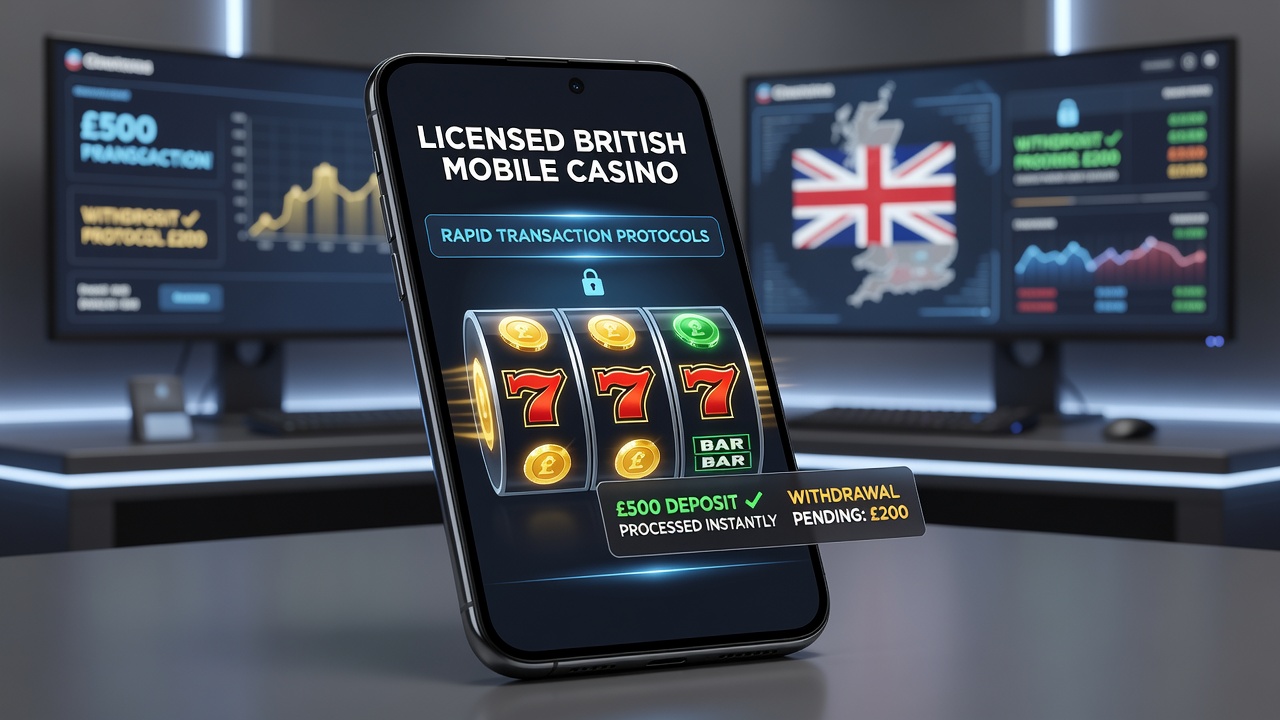
But here's the thing: licensed operators in Britain must meet technical requirements that tie interface responsiveness to transaction reliability and regulatory frameworks from bodies like the Malta Gaming Authority emphasize these ties to ensure player funds move without interruption. Turns out that updates rolled out in late 2025 refined these standards and further changes expected by October 2026 may introduce additional verification layers while preserving the speed users have come to expect.
Examples from Regulated Environments
Take one case where experts reviewed several British platforms and discovered that those using progressive web app technology delivered faster protocol handoffs compared to traditional native apps and the difference shows up in reduced loading times between deposit confirmation and game launch. Industry organizations such as the European Gaming and Betting Association have compiled figures that highlight these performance gaps across multiple operators. Those who've studied the data note that the pattern holds steady when interfaces prioritize minimal visual clutter and direct protocol access points.
Future Developments and Standards
Developers continue to refine how mobile interfaces interact with evolving payment protocols and reports from research institutions suggest that upcoming standards will emphasize biometric confirmations alongside existing encryption methods. This evolution maintains the focus on rapid execution while addressing security needs and the ball remains in the court of operators to implement these changes across their platforms. What's significant is that such alignments help sustain compliance without sacrificing the fluid experience that defines modern mobile gaming at licensed sites.
Conclusion
The ties between mobile casino interfaces and rapid transaction protocols form a core part of operations at licensed British sites and evidence from multiple sources confirms that these elements work together to support efficient user journeys. As standards evolve through 2026 and beyond the emphasis stays on factual integration of design and payment systems to meet regulatory expectations across the sector.