Payment Protocol Alignment with Mobile Engine Operations at Regulated British Instant Access Venues
Olivia Peters · Oct 14, 2026
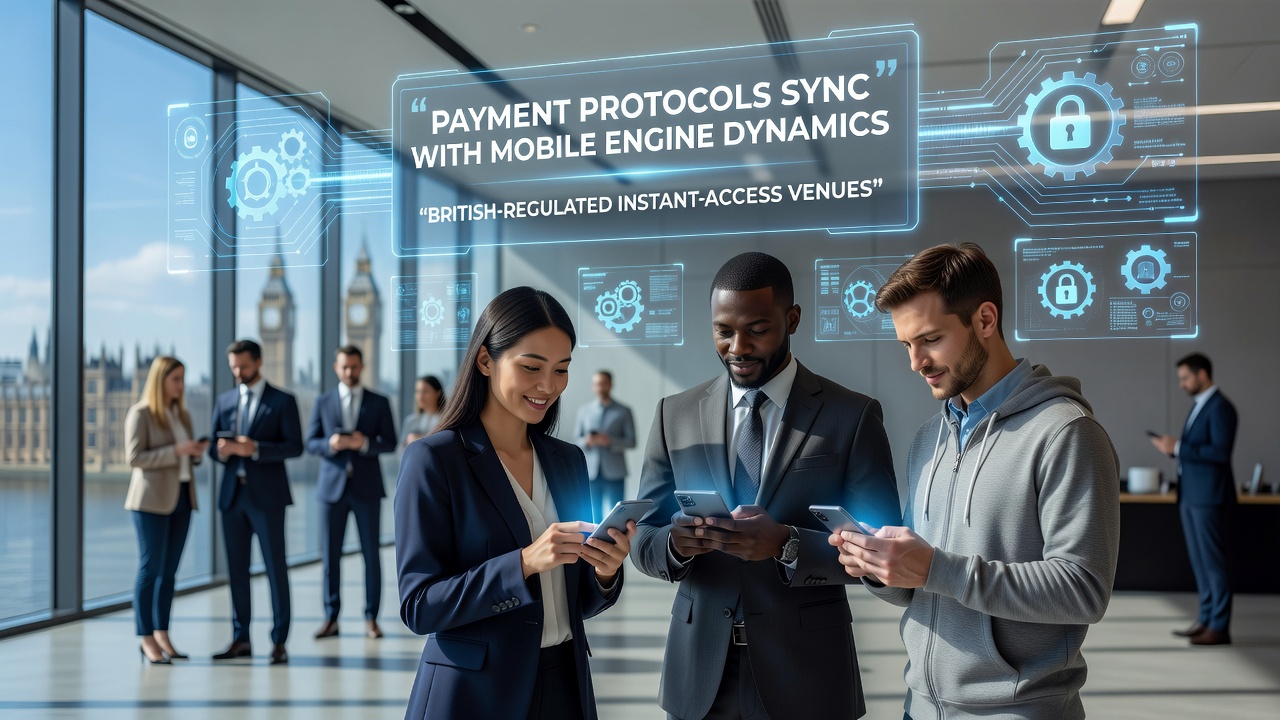
Payment Protocol Alignment with Mobile Engine Operations at Regulated British Instant Access Venues
Payment protocols connect directly to mobile engine frameworks through standardized APIs that handle transaction verification in real time while game sessions remain uninterrupted, and this linkage supports seamless fund transfers at British regulated instant access venues where operators maintain compliance with established technical standards. Data from industry analyses shows these connections rely on secure tokenization methods that transmit encrypted details between banking systems and device processors without exposing sensitive information during each interaction.
Core Components of the Integration Process
Mobile engines process user inputs through optimized rendering pipelines that update instantly when payment confirmations arrive via protocol handshakes, and developers configure these systems to recognize authorization signals within milliseconds so gameplay continues without pauses or reloads. Observers note that protocols such as those based on open banking frameworks exchange data packets with engine modules using predefined schemas that map transaction statuses to corresponding game states, which allows venues to deliver uninterrupted access across various device types including smartphones and tablets.
Security layers incorporate end to end encryption alongside multi factor authentication checks that occur in parallel with engine load balancing routines, and this dual operation prevents delays while maintaining audit trails required under licensing conditions. Research from technical consortia indicates that synchronization occurs at the application layer where payment gateways push status updates through webhooks that trigger engine events like balance refreshes or session extensions.
Technical Mechanisms Driving Real Time Synchronization
Engine dynamics incorporate event driven architectures that listen for protocol callbacks containing settlement details, and once received these details adjust in game parameters such as available credits or bonus triggers without requiring separate user actions. Those who have examined implementation logs report that latency reductions come from caching mechanisms that store temporary protocol responses locally on the device until full verification completes server side, which maintains fluid performance even during peak usage periods. As developments progress toward October 2026, updates to mobile operating systems are expected to further refine these handshakes through improved background processing capabilities that support faster data exchanges.
Protocols also interface with device specific features like biometric sensors that validate transactions before engine responses activate, and this sequence ensures both security and speed align at every step. Industry reports highlight cases where venues adopted modular code structures allowing independent scaling of payment components separate from core game engines, which reduces overall system strain and supports higher volumes of concurrent users.
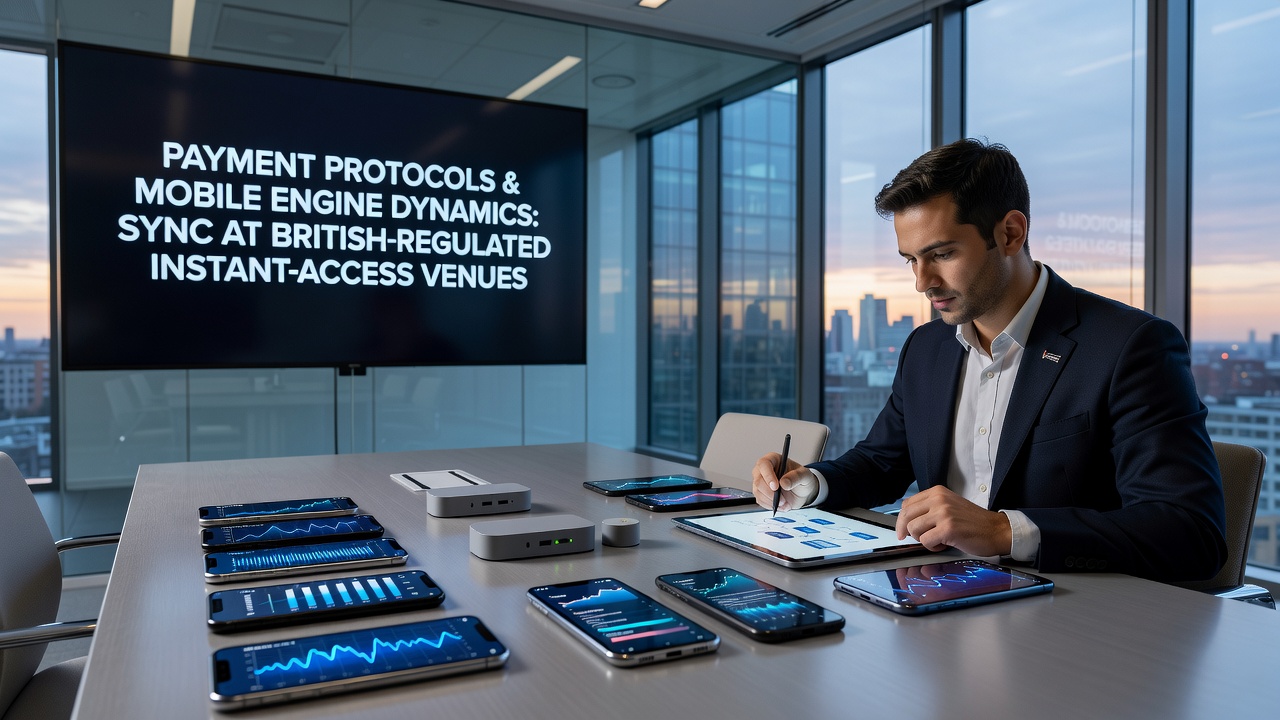
Regulatory and Operational Considerations in Practice
Venues operating under British licensing must demonstrate that payment protocol integrations undergo regular testing to confirm compatibility with evolving mobile engine versions, and certification bodies review these alignments through documented performance metrics. A study published by the Australian Communications and Media Authority on mobile transaction technologies provides comparative insights into similar synchronization challenges faced in other jurisdictions, showing how standardized testing protocols minimize discrepancies across platforms. Operators often employ simulation environments to replicate live conditions where payment signals interact with engine loops, allowing adjustments before full deployment.
Additional frameworks from the European Gaming and Betting Association outline best practices for maintaining data integrity during these exchanges, including guidelines on error handling that prevent partial transactions from disrupting ongoing sessions. In October 2026, anticipated advancements in 5G network coverage are projected to enhance these connections by providing more stable bandwidth for protocol transmissions, which supports venues in delivering consistent experiences across urban and remote locations alike.
Examples from Implementation Scenarios
One documented rollout at a licensed venue involved updating the payment interface to utilize asynchronous calls that run alongside engine rendering threads, and this change eliminated brief freezes previously observed during deposit confirmations. Another instance saw engineers integrate protocol monitoring tools directly into mobile analytics dashboards so operational teams could track synchronization health metrics in real time without interrupting service. These approaches demonstrate how technical teams address potential bottlenecks through targeted optimizations rather than wholesale system replacements.
Conclusion
The alignment between payment protocols and mobile engine dynamics at British regulated instant access venues rests on coordinated API structures, encryption standards, and event handling routines that together enable continuous operation. Evidence from various technical reviews confirms that ongoing refinements in device capabilities and network infrastructure continue to support these integrations as the sector evolves.