Secure Payments and Instant Sign-Ups: Examining Their Connection in Regulated British Online Gaming Environments
Olivia Perry · Sep 2, 2026
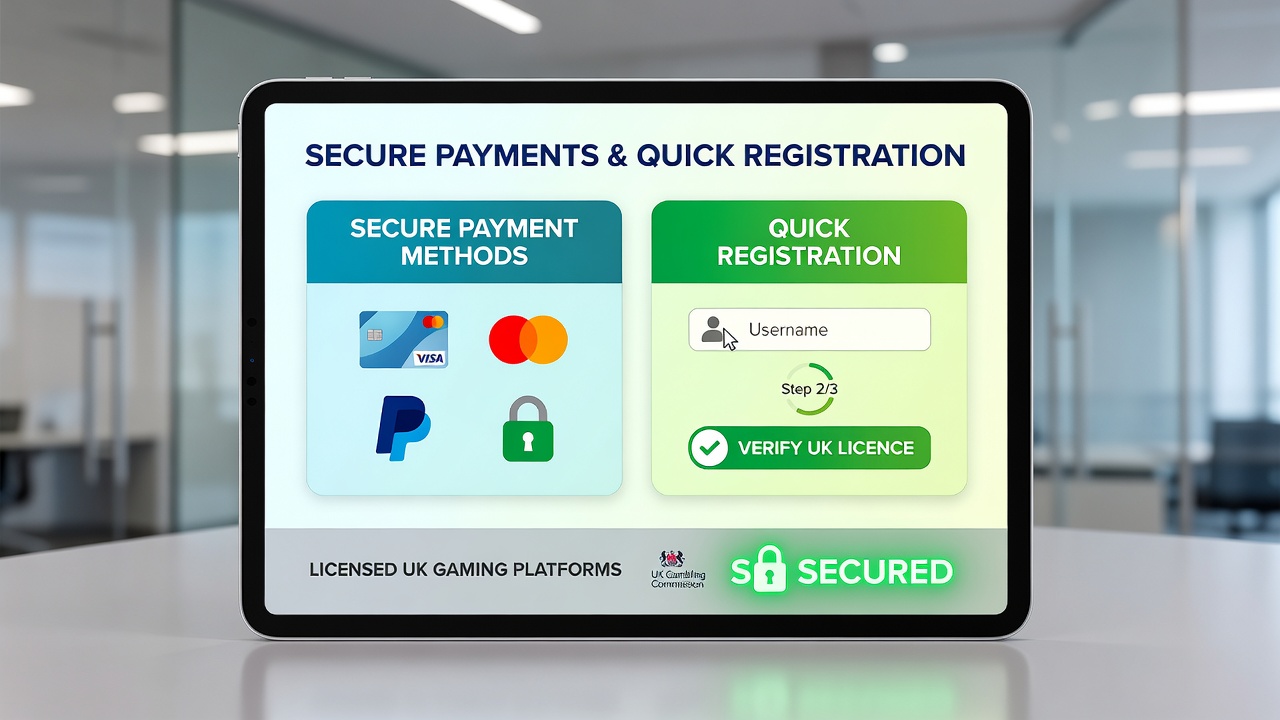
Secure Payments and Instant Sign-Ups: Examining Their Connection in Regulated British Online Gaming Environments
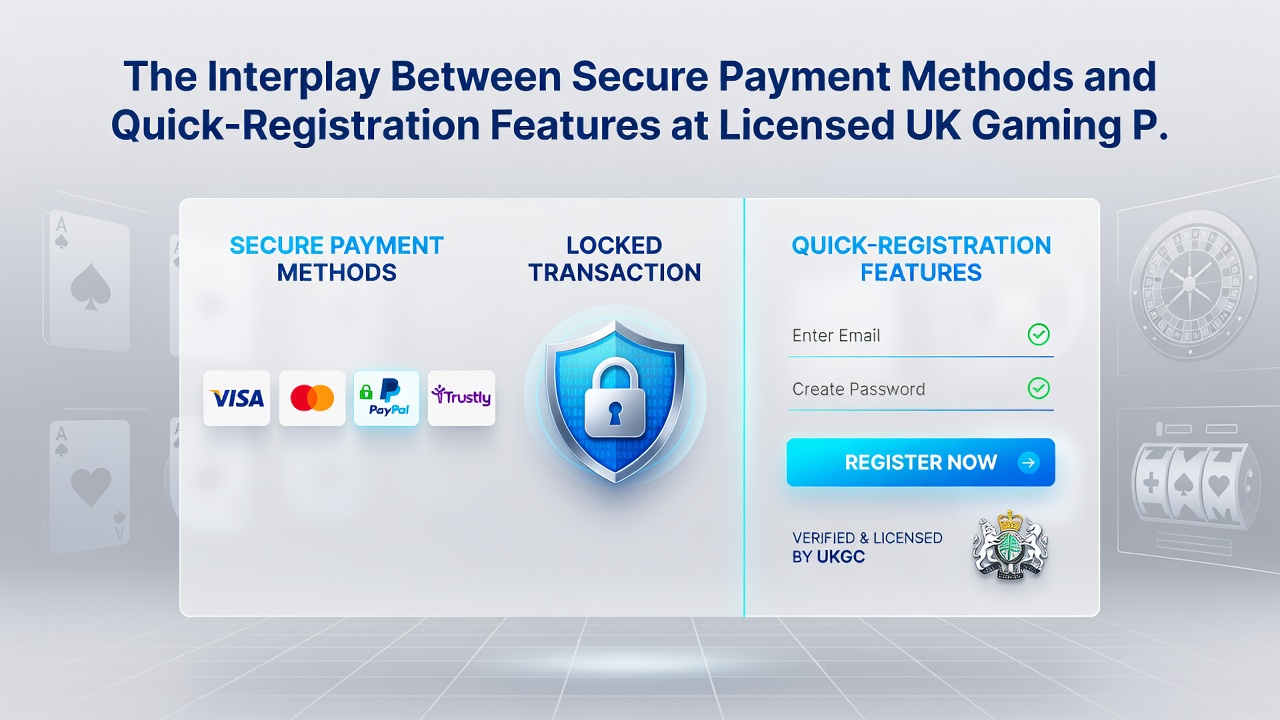
Secure payment systems and rapid registration tools operate together at licensed UK gaming platforms where operators combine encrypted transaction channels with streamlined onboarding processes that verify users through banking credentials rather than lengthy form submissions. This integration allows platforms to process account creation in seconds while maintaining compliance with data protection standards and financial security protocols that have evolved across the sector.
Core Components of Secure Payment Integration
Payment providers employ protocols such as PCI DSS certification along with end-to-end encryption to protect card details and bank transfers, and these same safeguards support instant verification during registration because the payment gateway already confirms identity through account linkage. Licensed operators integrate third-party services that handle both deposit authorization and user authentication in a single step, which reduces the number of separate data entries required from players while keeping transaction records auditable for regulatory review.
Research from the University of Nevada Gaming Research Center indicates that platforms adopting unified payment and verification layers experience fewer account discrepancies because initial deposits trigger automated checks against fraud databases and sanctions lists. Such systems rely on real-time API connections between banks and gaming servers, and this setup permits operators to activate accounts immediately after the first successful transfer clears security filters.
Mechanics of Quick-Registration Processes
Quick-registration features typically leverage open banking frameworks where a player selects their bank from a list, authorizes a small deposit, and receives confirmation that populates profile fields automatically with verified name, address, and age data. This approach bypasses manual document uploads in many cases because the banking partner supplies the necessary details under secure data-sharing agreements approved by financial authorities. Platforms maintain separate layers for additional responsible gambling settings that users configure post-registration, yet the core identity step completes within the payment flow itself.
Regulatory Context Across Multiple Jurisdictions
Similar models appear in other regulated markets, and data from the Australian Communications and Media Authority shows that combined payment-registration systems correlate with higher compliance rates for age verification when compared to traditional multi-step sign-ups. Canadian provincial regulators have examined parallel frameworks, noting that the reduced handling of personal information during onboarding lowers exposure points for data breaches. These observations align with findings from industry reports published by the European Gaming and Betting Association, which track adoption rates of instant verification tools across member states.
Operators must still apply ongoing monitoring after the initial quick setup, and transaction monitoring software continues to flag unusual patterns regardless of how swiftly an account opens. September 2026 marks the point when several platforms plan to roll out enhanced biometric options alongside existing payment-linked registration, according to preliminary announcements from technology providers working with British operators. These additions would layer fingerprint or facial recognition onto the existing bank-verified base without extending the time needed to complete sign-up.
Technical Safeguards Supporting Both Features
Tokenization replaces actual card numbers with unique identifiers during every transaction, and this practice extends to registration because the tokenized data serves as the persistent link between the user and their gaming account. Multi-factor authentication requirements often activate only for withdrawal requests rather than initial deposits, which preserves the speed of first-time access while still protecting larger movements of funds. Observers note that the balance between speed and security hinges on continuous updates to fraud detection algorithms that learn from transaction histories across millions of sessions.
Case studies from platforms operating under multiple European licenses reveal that when payment and registration systems share the same verification database, duplicate account creation attempts drop significantly because the system recognizes returning bank details immediately. This efficiency benefits both operators and players since fewer support interventions are needed to resolve identity conflicts later in the account lifecycle.
Conclusion
The connection between secure payment channels and accelerated registration continues to shape operational standards at licensed UK gaming platforms where each element reinforces the other through shared verification pathways and encryption standards. Industry data and cross-jurisdictional comparisons demonstrate measurable reductions in onboarding friction alongside maintained audit trails, and upcoming technical enhancements scheduled around September 2026 are expected to build on these foundations without altering the core interplay already established.