Synchronization of Promotional Rewards and Application Responsiveness in Licensed British Gaming Applications
Olivia Perry · Nov 11, 2026
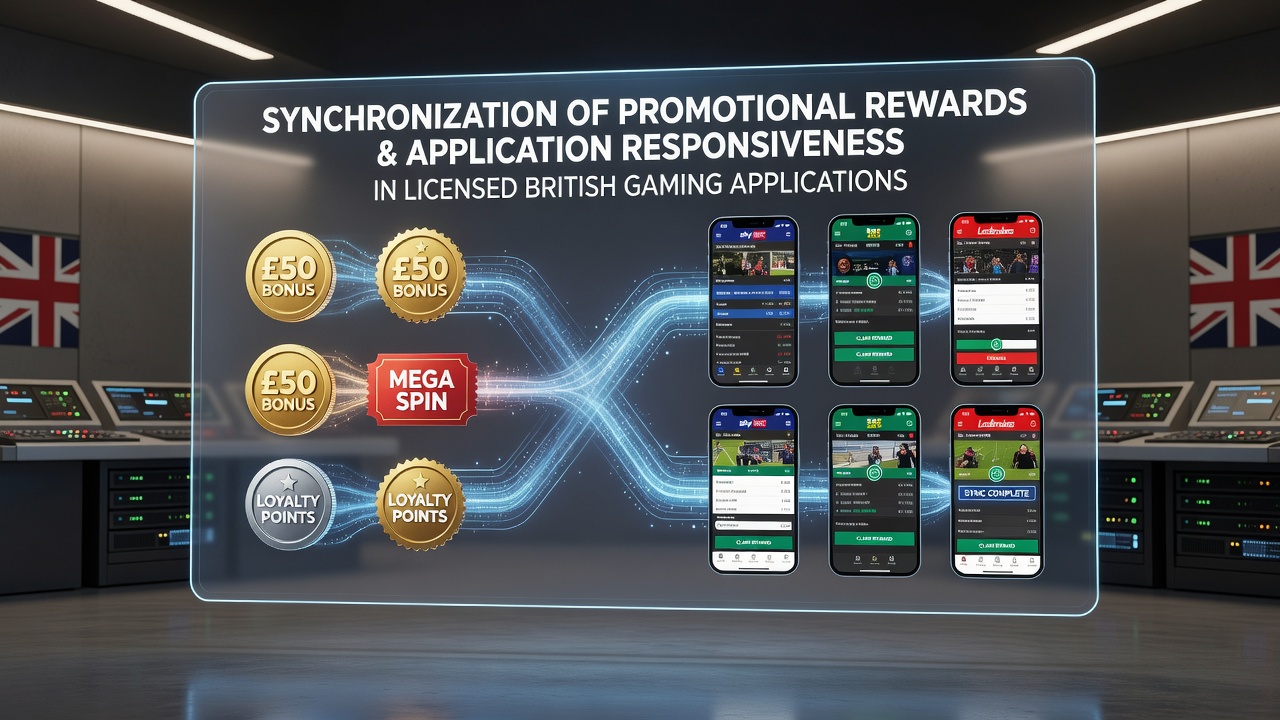
The Synchronization Dynamics of Rewards and Responsiveness in British Licensed Gaming Apps
Licensed British gaming applications maintain complex systems that align promotional rewards with real-time application performance, ensuring that bonus activations and user interactions occur without introducing delays or inconsistencies. Developers integrate these elements through backend protocols that monitor device metrics such as load times, network latency, and processing speeds while simultaneously triggering reward distributions. Data from industry reports indicate that such coordination relies on asynchronous data handling and optimized database queries to prevent bottlenecks during peak usage periods. Regulatory frameworks in Britain require operators to uphold standards for both security and functionality, which extends to how reward systems interface with core application engines. These requirements emphasize consistent responsiveness across mobile platforms, where promotional features like deposit matches or free spins must activate seamlessly alongside gameplay elements. Observers note that synchronization occurs via API endpoints that validate user eligibility in milliseconds before rendering visual or functional updates within the app interface.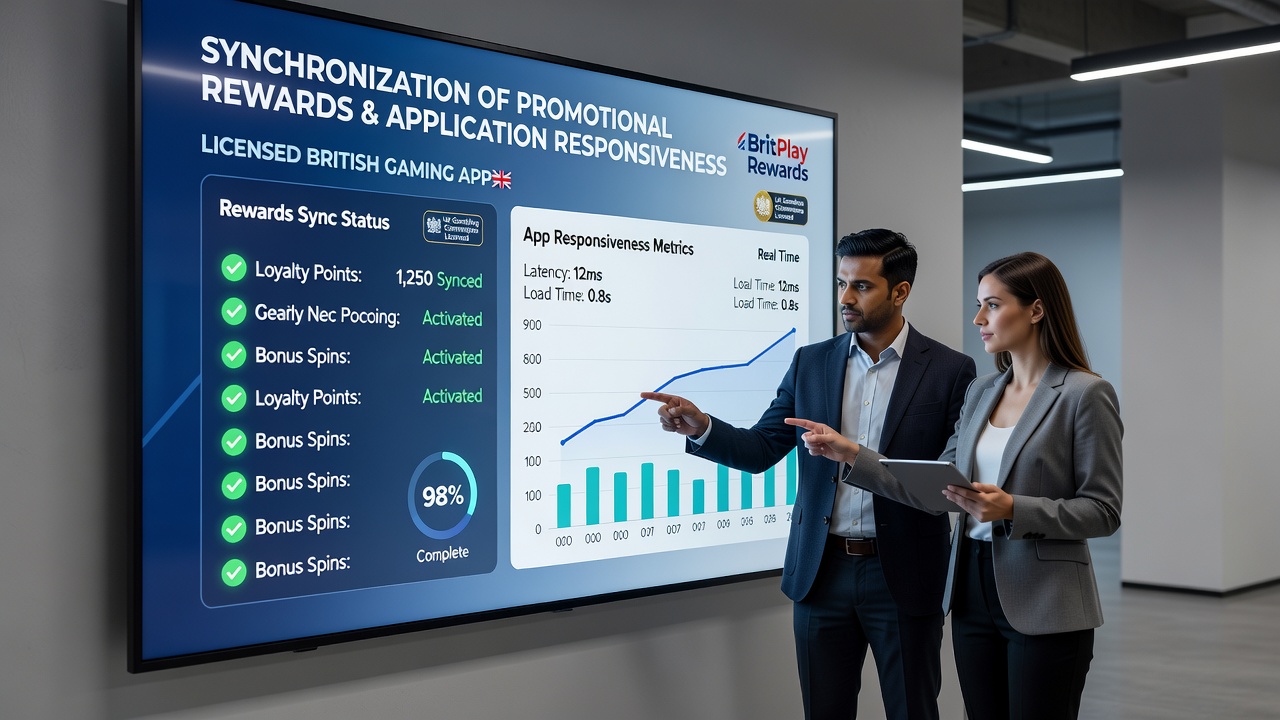
Licensed British gaming applications maintain complex systems that align promotional rewards with real-time application performance, ensuring that bonus activations and user interactions occur without introducing delays or inconsistencies. Developers integrate these elements through backend protocols that monitor device metrics such as load times, network latency, and processing speeds while simultaneously triggering reward distributions. Data from industry reports indicate that such coordination relies on asynchronous data handling and optimized database queries to prevent bottlenecks during peak usage periods. Regulatory frameworks in Britain require operators to uphold standards for both security and functionality, which extends to how reward systems interface with core application engines. These requirements emphasize consistent responsiveness across mobile platforms, where promotional features like deposit matches or free spins must activate seamlessly alongside gameplay elements. Observers note that synchronization occurs via API endpoints that validate user eligibility in milliseconds before rendering visual or functional updates within the app interface.Technical Foundations of Reward and Performance Alignment
Application responsiveness in these environments depends on several layered components, including caching mechanisms, content delivery networks, and client-side scripting that adjust dynamically to reward events. When a promotional offer triggers, the system cross-references account data with current session performance indicators, then adjusts rendering priorities accordingly. Research indicates that this process minimizes frame drops or input lag, particularly on devices with varying hardware specifications common among British users. Engineers employ event-driven architectures to manage these interactions, where reward notifications queue separately from main game loops yet synchronize through shared state variables. This approach allows for simultaneous updates, such as crediting bonuses while the application maintains smooth animations and touch responsiveness. Figures from technical analyses reveal that optimized synchronization reduces average response times by integrating with device sensors and operating system resource allocators.Implementation Patterns Across Licensed Platforms
Licensed operators deploy these systems through iterative testing cycles that simulate diverse network conditions and user behaviors. One study revealed that platforms incorporating predictive algorithms for reward timing achieve higher stability during high-traffic intervals, as the software anticipates load spikes and reallocates processing resources in advance. Such patterns appear consistently across applications that support instant access models, where sign-up bonuses integrate directly with initial app launches. Payment integrations play a supporting role here, since reward eligibility often connects to transaction confirmations that must complete without interrupting interface fluidity. Developers coordinate these flows using secure token exchanges that validate actions in parallel with performance monitoring tools. Those who've examined multiple platforms find that modular code structures facilitate updates to either reward logic or responsiveness features independently, reducing the risk of cascading issues during maintenance windows.